Why Regular Oil Changes are Critical for Stop-and-Go Bay Area Commutes

December 1, 2025

Let's be honest—commuting in the Bay Area is tough on your patience. That daily crawl on I-80, the constant stop-and-go on San Pablo Avenue, and the endless traffic lights on Solano are a test of endurance. But while you’re focused on the road, your car’s engine is fighting a silent battle against this demanding driving style.


At Dana Meyer Auto Care in Albany, we see the effects of these grueling commutes every day. The single most important service to protect your engine from this wear and tear is also one of the simplest: a regular, high-quality oil change.


Engine Oil: Your Car’s Lifeblood in a Demanding Climate

Think of motor oil as the circulatory system for your engine. It’s not just a lubricant; it’s a complex fluid designed to perform several critical jobs at once:

●     Lubrication: It creates a protective film between metal parts like pistons and cylinders, preventing them from grinding against each other.

●     Cooling: It absorbs heat from critical engine components and carries it away to the oil pan.
●     
Cleaning: It suspends soot, metal particles, and other contaminants, holding them until the oil filter can trap them.

●     Protection: It helps prevent corrosion and rust inside your engine.

The Bay Area Commute: A “Severe Service” Schedule

Car manufacturers define two main types of maintenance schedules: normal and severe service. Guess which category your Albany commute falls into?

“Severe service” includes:

●     Frequent short trips (under 10 miles)

●     Extensive idling and low-speed driving

●     Stop-and-go traffic

●     Driving in dusty or dry conditions

This describes a typical drive from Albany to Oakland or into San Francisco perfectly. This type of driving causes your engine to work harder without reaching the optimal operating temperature for long enough to burn off contaminants and moisture.


What Happens When Oil Gets Old and Dirty

Over time and miles, engine oil breaks down and loses its ability to protect your engine.

●     Oil Breakdown: High heat from idling in traffic and the stress of constant acceleration breaks down the oil's molecular structure. It becomes thinner and less effective as a lubricant.

●     Contamination: Combustion byproducts and moisture accumulate in the oil. In a stop-and-go commute, the engine often doesn’t get hot enough to evaporate this moisture, leading to the formation of corrosive sludge.

●     Additive Depletion: Oil contains special additives that help it clean, protect, and prevent foaming. These additives get used up over time.

When you drive with old, dirty oil, it’s like asking your engine to run on sandpaper. The result is increased friction, overheating, and accelerated wear on critical components.

The Real-World Consequences of Skipping an Oil Change

Pushing your oil change interval too far can lead to expensive repairs down the line:

●     Increased Engine Wear: Without proper lubrication, metal parts grind together, leading to premature wear.

●     Sludge Buildup: Contaminated oil can turn into a thick, tar-like sludge that clogs oil passages and starves your engine of lubrication.

●     Reduced Fuel Economy: An overworked engine has to work harder, costing you more at the gas pump.

●     Potential for Engine Failure: In a worst-case scenario, severe neglect can lead to a seized engine, which requires a complete and very costly replacement.

Finding the Right Oil Change Schedule for Your Commute

While the old rule was “every 3,000 miles,” modern synthetic oils and engines have extended that interval. However, for most Bay Area commuters, the manufacturer’s severe service schedule is the one to follow.

●     Check Your Owner’s Manual: This is your best resource. Look for the maintenance schedule for “severe” or “special” operating conditions.

●     A Good Rule of Thumb: For many drivers dealing with daily Bay Area traffic, an oil change every 5,000 miles or 6 months is a safe benchmark. If you primarily take very short trips, you may need to change it even more frequently.

●     The Synthetic Advantage: Synthetic oils are highly recommended for our driving conditions. They offer superior protection against high-temperature breakdown and perform better in both very hot and cold weather.

The Dana Meyer Auto Care Oil Change Service

An oil change at our Albany shop is more than just a quick lube. We provide a comprehensive service designed to keep your commute reliable.

  1. Drain Old Oil: We completely drain the used, contaminated oil from your engine.

  2. Replace Oil Filter: We install a new, high-quality oil filter to trap contaminants and protect your engine.

  3. Add Fresh Oil: We refill your engine with the correct grade and amount of high-quality oil, whether conventional or synthetic.

  4. Inspect Fluid Levels: We check and top off other vital fluids, including coolant, brake fluid, and windshield washer fluid.

  5. Multi-Point Inspection: We conduct a visual inspection of your tires, brakes, belts, and hoses, looking for any potential issues you should know about.

Protect Your Engine Against the Daily Grind

Your car is a vital part of your life in Albany, Berkeley, and the greater East Bay. Don’t let a preventable issue like dirty oil lead to a massive repair bill. Regular oil changes are a small investment that pays off with a longer engine life, better performance, and greater peace of mind during your daily drive.


Is it time for your next oil change?
Let the trusted technicians at
Dana Meyer Auto Care handle it. We’ll get you in and out efficiently and give you a clear report on your car’s health.

Schedule your service today by calling (510) 292-4900 or booking your appointment online.
By Kobi Meyer January 31, 2026
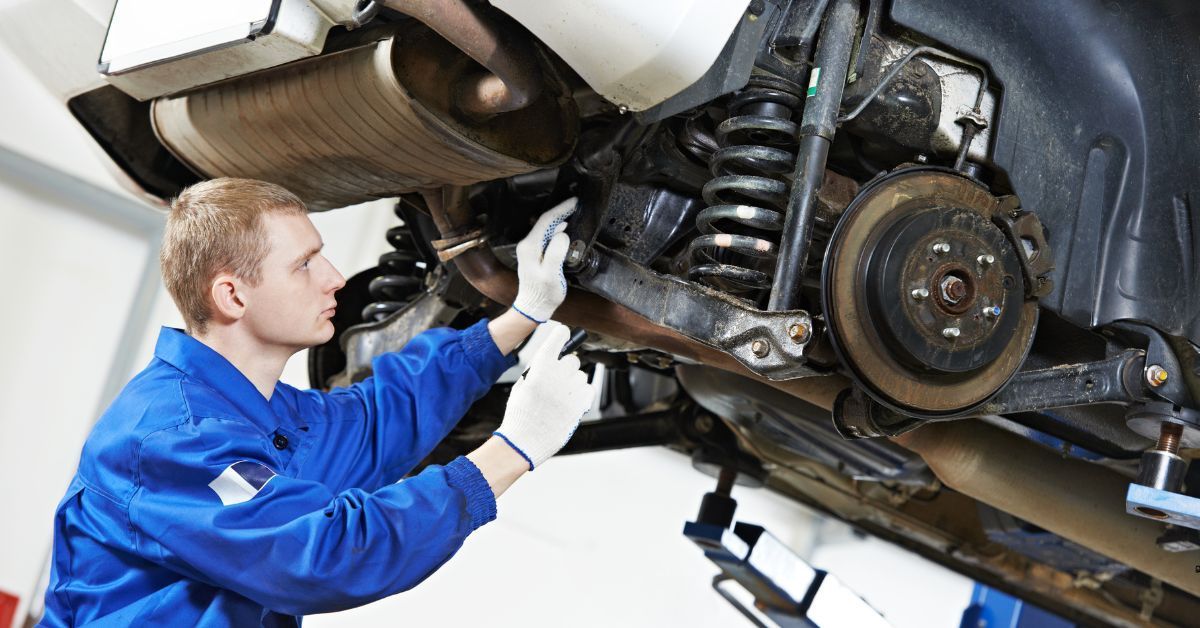
Brakes are your vehicle's most important safety system—yet they're also one of the most misunderstood. At Dana Meyer Auto Care, we see it all the time: drivers putting off brake service because of myths they've heard from friends, forums, or outdated advice. If you're driving around the Bay Area—from Albany to Berkeley, Oakland to El Cerrito—you need your brakes in top shape. Let’s bust the most common brake repair myths, clear up the confusion, and explain how to keep your car safe and responsive on every drive. Myth #1: "If My Brakes Aren't Making Noise, They're Fine" Silence doesn’t always mean safety. Many drivers think brake noise is the only sign of trouble, but that’s not true. Modern brake pads can wear down quietly. Some vehicles even have built-in wear indicators that only make noise when it’s already past time to replace them. Instead of waiting for a screech, follow a regular maintenance schedule and get your brakes inspected during oil changes or tire rotations. Pain Point: Ignoring brake wear can lead to rotor damage—a more expensive fix than replacing pads early. That can also mean longer stopping distances or unpredictable brake performance, putting you and others at risk. Myth #2: "Brake Repair Is Always Expensive" This myth causes drivers to delay service, thinking it’ll cost too much. The truth? Preventive brake maintenance is often affordable—and it protects more expensive parts. Catching worn brake pads early can save you hundreds by preventing rotor, caliper, or hydraulic system damage. At Dana Meyer Auto Care, we prioritize transparency, with honest quotes and no surprise add-ons. Pro Tip: Ask for a brake inspection during your next visit, where we’ll check your brake pad thickness and inform you when they should be replaced. Investing in small fixes now avoids big repairs later. Myth #3: "Brake Pads Last 50,000 Miles No Matter What" While some brake pads can last 50,000 miles, that’s far from universal. Your brake pad lifespan depends on: Driving habits (hard braking wears faster) Terrain (hills and stop-and-go traffic wear pads quickly) Type of brake pads (ceramic, semi-metallic, organic) In the San Francisco Bay Area, where hills and traffic are common, pads may need replacement as early as 25,000 miles. A regular brake inspection can catch wear before it becomes dangerous. Plus, not all pads wear evenly—front brakes typically wear faster than rear ones. That’s another reason to stay consistent with checks. Myth #4: "I Can Check My Brakes Just by Looking" Unless you’re lifting your car, removing the wheels, and inspecting the full braking system, a visual check isn’t enough. Even when you take a close look at your brakes, you can only see the outer pad. The inner pad commonly wears faster, which you cannot see easily without removing the wheels. A professional brake repair technician checks: Pad thickness Rotor condition Brake fluid levels and quality Caliper function Brake line integrity These systems work together, and issues often develop where you can’t see. Don’t DIY your safety. Extra Insight: What looks like thick brake pads from the outside might be uneven or cracked once removed. That’s why experienced techs matter. Myth #5: "I Just Got My Brakes Done, So I Don’t Need to Worry." We wish that were true! Brake systems wear unevenly. You may have had the front pads replaced, but the rear pads are still aging. Or maybe the rotors were resurfaced but not replaced—leaving less life left than you expect. For those of us who like to get into the details about rotors, rotor life in between brake jobs is not a big factor. Resurfacing rotors is done based on measurements. If the rotor life would be affected, it would already be past the service limit and would need to be replaced, regardless. If the rotors are bad, we consider it a sign of careless work. Hence, just because you got your brakes done, an inexperienced technician could have missed important steps if they aren’t working off a checklist. Also, brake fluid can deteriorate over time and cause poor braking performance even if your pads are fresh. Moisture can contaminate brake fluid and cause internal corrosion or spongy pedals. Recommendation: Get a full system check annually, not just when something goes wrong. Myth #6: "If My Car Pulls to One Side, It's an Alignment Problem" Not always. Pulling can also mean a brake caliper is sticking or uneven pressure is being applied to your wheels. Misdiagnosing the problem could cost you time and money. Let us perform a proper diagnostic so you're not replacing tires or adjusting alignment for a brake issue. We’ve seen cases where the true problem was a swollen brake hose or a dragging caliper. Learn more about our brake services and schedule an inspection today. Myth #7: "I Don’t Need Brake Service Until the Light Comes On" Many cars have a brake warning light, but by the time it comes on, the problem could already be severe. Brake lights often indicate low brake fluid, a system failure, or dangerously worn pads. Think of it as a last alert, not your first warning. Pro Tip: Don’t rely on dashboard lights. Stay ahead of issues with routine checks. When the light comes on, your margin of safety might already be gone. Myth #8: "All Brake Shops Are the Same" Definitely not. A brake job isn’t just about swapping parts. It requires: High-quality components Correct installation Rotor resurfacing or replacement Proper lubrication and torque Some newer cars even require scan tools to place the vehicle in “service mode” to actuate fluid bleeding valves and calibrate the system after work is complete. At Dana Meyer Auto Care, our ASE-certified technicians use top-tier parts and treat your car like it's our own. We’re also an eco-friendly business, so we do our best to protect the environment and dispose of used fluids responsibly. See why drivers trust us with their brake repairs in Albany and beyond. Extra Trust Point: We've been family-run for over 50 years and are proud to serve generations of East Bay drivers. Our customers return because they trust our work and our values. FAQs: Brake Repair & Service in the Bay Area Q: How often should I have my brakes checked? A: Every 6 months or 6,000 miles is a good rule of thumb—or at least once a year if you don’t drive much. During these checks, we can monitor wear, fluid condition, and ensure all components are functioning properly. Q: Are squeaky brakes always bad? A: Not always. Some brake pads make noise when cold or wet, but persistent squealing can indicate wear or low-quality parts. Let us take a look. Q: How long do brakes last in Bay Area traffic? A: Due to stop-and-go conditions and hills, you may see faster wear. 25,000–40,000 miles is common for city drivers. Q: Can I drive with a soft brake pedal? A: No! This could mean a fluid leak or a failing brake master cylinder. Get it checked immediately to avoid brake failure. Q: What’s included in a Dana Meyer Auto Care brake inspection? A: We check pad and rotor condition, caliper movement, fluid quality, and more. You'll get a full report with honest, clear advice. Keep Your Brakes—and Your Family—Safe Your brakes are too important to leave to myths or guesses. If you’re noticing signs of wear or just want peace of mind, don’t wait. At Dana Meyer Auto Care in Albany, CA, we make it easy to stay safe. We offer full-service brake repair, transparent pricing, and expert inspections. 👉 Schedule your brake check today or call us at (510) 292-4900. We’re proud to be your neighborhood auto shop, serving Albany, Berkeley, El Cerrito, and the entire East Bay with care, quality, and honesty. Let us help you bust the myths—and keep your car ready for every Bay Area road.
By Dana Meyer Auto Care January 29, 2026
Discover expert brake repair at Dana Meyer Auto Care in Albany, CA. Trust us for reliable services. Schedule an online appointment now!
By Kobi Meyer December 31, 2025
Wondering how often you should get an oil change or vehicle inspection in Albany, California? Discover expert insights on oil change intervals, inspection frequency, and maintenance tips to keep your vehicle running safely year-round.
December 17, 2025
Learn essential transmission care tips that help extend its lifespan, improve performance, and prevent costly repairs through proper maintenance and early warning signs.
December 15, 2025
Get your car ready for a Bay Area coastal drive with this quick maintenance guide covering fluids, tires, brakes, and safety checks for worry-free travel.
December 11, 2025
Discover what your check engine light means, common causes behind it, and when Albany drivers should seek professional diagnostics to avoid costly repairs.
December 9, 2025
Learn how to choose the right tires for California’s changing weather and road conditions to improve safety, handling, and overall driving performance year-round.
December 4, 2025
Understand five common car electrical problems, what causes them, and why early diagnosis helps prevent breakdowns, starting issues, and costly repairs.
November 28, 2025
Explore everything Albany drivers need to know about brake service, including warning signs, maintenance tips, and how to stay safe on the city’s hilly streets.
By Kobi Meyer November 25, 2025
The holidays are a time to hit the road—whether you're visiting family in Sacramento, heading to wine country, or escaping to Lake Tahoe for a snowy getaway. But if you've ever sat in bumper-to-bumper traffic on I-80 during Thanksgiving weekend, you know the Bay Area isn't the easiest place to navigate during peak travel times. So, when is the best time to travel for holiday road trips in the Bay Area? We’ve seen it all here at Dana Meyer Auto Care—from cars breaking down just before long drives to families returning with brake wear and battery issues after road trips. Let’s break it down so you can plan smarter, drive safer, and avoid the headaches. Best Days and Times to Leave Here’s what we recommend based on local traffic patterns, CHP travel advisories, and our own experience working with East Bay drivers: Leave Early in the Morning The earlier, the better, especially if you’re heading out the day before a holiday. Try to leave before 7 a.m. to get ahead of commuters and long-distance travelers. Avoid Late Afternoons the Day Before a Holiday Traffic around 3–7 p.m. on the day before Thanksgiving, Christmas Eve, or New Year’s Eve can be brutal. If you must leave during the day, aim for mid-morning or after 8 p.m. Travel on the Holiday Itself It sounds untraditional, but traffic on Thanksgiving morning or Christmas Day is usually much lighter. If you're comfortable celebrating a bit later in the day, this is often the smoothest time to drive. Best Times to Return to the Bay Area The return trip is just as important. Most breakdowns we see after the holidays happen when folks are rushing to get back on Sunday evening—often when roads are jammed and stress is high. Avoid Sunday Afternoons If you’re coming back after a weekend or extended trip, try to return early Sunday morning or Monday if you have the flexibility. Split the Trip if It’s a Long One If you're driving back from Southern California or over the Sierra, break it up. Spend a night halfway to reduce fatigue and avoid peak hours. Key Holiday Travel Dates in 2025 Thanksgiving: Busiest outbound travel: Wednesday, Nov. 26 Best travel days: Tuesday, Nov. 25, or Thursday morning, Nov. 27 Christmas: Busiest outbound travel: Tuesday, Dec. 23, and Wednesday, Dec. 24 Best travel days: Monday, Dec. 22, or Christmas Day itself New Year’s: Heaviest return traffic: Sunday, Jan. 5 Best return times: Early Friday, Jan. 3 or Monday, Jan. 6 Prep Your Car Before You Hit the Road Timing your trip right is important, but so is making sure your car is ready. Every year, we help dozens of drivers get road-trip ready. Here's a quick checklist to help you avoid preventable problems: Check Your Tires: Proper inflation and tread depth are key for safety, especially in wet conditions. Inspect Brakes: Grinding, squealing, or soft pedals? Get them checked before you travel. Test the Battery: Cold mornings and long drives can strain older batteries. Top Off Fluids: Coolant, brake fluid, washer fluid, and oil should all be at proper levels. Inspect Windshield Wipers: Visibility is everything in winter weather. We offer quick, comprehensive pre-trip inspections, so you can hit the road with confidence. Need to Travel with Kids or Pets? Here’s a bonus tip for families: if you’ve got little ones or furry friends along for the ride, plan your departure around their schedule, too. A mid-morning departure after breakfast or an early evening drive post-nap often leads to a smoother ride and fewer backseat meltdowns. And yes, we’re a pet-friendly shop, so bring your pup in while we check your ride! Make This Holiday Season Stress-Free Smart travel isn’t just about avoiding traffic. It’s about preparation, planning, and peace of mind. Whether you’re driving two hours or two days, we’re here to help make your holiday road trip safer and smoother. We recommend scheduling your check at least a week before your trip! Last-minute pre-trip checks can delay the trip or force a change of plans. Book your holiday road trip inspection today: https://www.danameyerautocare.com/
More Posts