Get Your Car Ready for Cooler Mornings and Rainy Bay Area Drives
Your car starts a little slower one morning in Albany. Later, the wipers leave streaks across the windshield, and you notice a headlight looks dim during your drive home. Nothing has stopped working completely, but you wonder whether the car is ready for winter. November is a useful time to check those details before holiday travel and busier schedules make maintenance harder to arrange.
A complete November car care checklist should cover the battery, engine oil, coolant, lights, wipers, tires, brakes, and defroster. The goal is to identify what needs attention based on your vehicle’s condition and maintenance history. At Dana Meyer Auto Care, we believe preparation starts with clear answers. A symptom deserves inspection before anyone assumes which part needs replacement.
Start With Your Service History
Gather your recent repair invoices and check the maintenance schedule in your owner’s manual. Note when the oil, coolant, and other scheduled items were last serviced. Then write down any changes you have noticed. Slow starting, unusual noises, fluid spots, warning lights, and reduced visibility are useful clues.
Tell your service advisor when each symptom happens. A starting problem after several days parked may need different testing from one that occurs every morning. This first step helps separate overdue maintenance from problems that require diagnosis. It also prevents repeating a service that was recently completed.
Step One: Test the Battery
Battery testing belongs near the top of your November car care checklist, especially if starting has become slower or less consistent. A weak 12-volt battery is one possible cause. Loose or corroded connections, a charging-system issue, a starter problem, or an electrical draw can produce similar symptoms.
Our battery and hybrid battery service begins by identifying which system is involved. Conventional 12-volt concerns and high-voltage hybrid battery warnings require different testing and repair approaches. Battery age provides context, but testing helps determine condition. Replacing a battery without investigating repeated discharge may leave the original problem unresolved.
Step Two: Review the Engine Oil
Check whether your vehicle is due for an oil change by mileage, time, or its manufacturer’s maintenance system. Do not switch to a different oil simply because winter is approaching. The correct viscosity and specification depend on your engine’s requirements.
For vehicles that allow an owner oil-level check, follow the manual’s procedure. Report recurring low levels, visible leaks, or an unusual increase in oil consumption. Dana Meyer Auto Care’s oil change service uses oil matched to the vehicle and includes a multi-point inspection and digital findings report. That provides an opportunity to review more than the oil alone. An oil-pressure warning is different from a routine service reminder. Stop safely, shut off the engine, and seek guidance if an oil-pressure warning appears.
Step Three: Check the Coolant
Your cooling system matters throughout the year. It regulates engine temperature, and on many vehicles, it also supplies heat for the cabin. Check the coolant reservoir only when the engine is cool and according to the owner’s manual. Never open a hot cooling-system pressure cap.
A low level needs an explanation. Leaking hoses, a radiator problem, or another fault may be responsible. Repeatedly adding coolant does not repair the cause. Our cooling system service includes inspection, leak testing, and coolant evaluation. We check the condition and use the manufacturer-recommended coolant when service is needed. Avoid selecting coolant by color alone. If the temperature warning comes on or the engine overheats, stop safely rather than continuing your trip.
Step Four: Inspect the Lights
Check headlights, brake lights, turn signals, and other exterior lamps while the vehicle is parked safely. Ask someone to help observe the brake lights. Look for a lamp that does not work, flickering, or a noticeable difference between the two headlights. Cloudy lenses and poor beam aim can also affect usable light.
A dim headlight does not always need a bulb. The cause may involve the lens, connections, electrical supply, or lamp assembly. Testing helps identify the appropriate repair. Restoring correct visibility is more useful than installing a brighter bulb without checking whether it suits the vehicle.
Step Five: Check Wipers and Washers
Test your wipers on a wet windshield. Watch for streaks, skipping, chatter, or areas the blades fail to clear. Inspect the rubber for splitting or deterioration. Dirt on the glass or blades can also affect performance, so cleaning and inspection should come before guessing.
Check the washer spray as well. Weak or missing spray may involve low fluid, blocked nozzles, a leaking hose, or a pump concern. Choose washer fluid suitable for your vehicle and expected conditions. If your holiday plans include mountain travel, account for colder temperatures than you normally encounter around Albany.
Step Six: Review Tires and Brakes
Check tire pressure when the tires are cold, using the vehicle’s recommended pressure on the door placard or in the manual. Have tread condition and uneven wear assessed. A tire that repeatedly loses pressure deserves inspection rather than regular topping off.
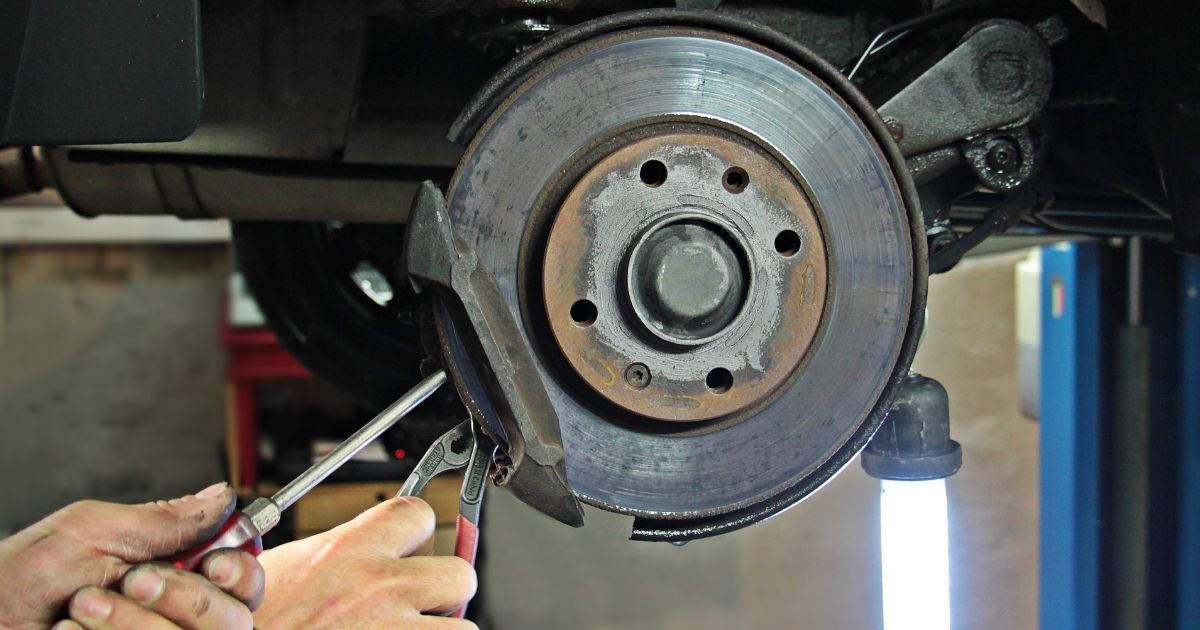
Mention brake noises, vibration, pulling, or changes in pedal feel. These symptoms can have different causes, and an inspection helps establish what needs attention. Wet-weather preparation should include both visibility and traction. Good wipers cannot compensate for worn tires, and functioning lights do not resolve a braking concern.
Step Seven: Test the Defroster
Try the front defroster, rear defogger, cabin fan, and heater before you need them during a rainy commute. If the windshield clears slowly, describe what happens. Weak airflow, a restricted cabin filter, heating problems, or air-conditioning faults may contribute.
Persistent moisture inside the car can also interfere with visibility. Wet carpeting or an unexplained damp smell deserves investigation. Do not assume poor defrosting is normal for an older vehicle. Checking the cause may reveal a manageable problem that makes everyday driving more comfortable.
Turn Findings Into a Plan
A November car care checklist is most helpful when it leads to priorities rather than automatic replacements. Ask which findings affect safe operation, which services are overdue, and which items can be monitored. Request an explanation of the testing and the recommended next step.
Ignoring recurring symptoms can mean a no-start, worsening leak, poor visibility, or an interrupted trip. Addressing the cause early gives you more opportunity to plan the work. Dana Meyer Auto Care has served Albany and surrounding East Bay communities since 1975, caring for individuals, families, and small fleets across generations. Our technicians combine ongoing training with diagnostic tools to provide clear, practical recommendations.
Frequently Asked Questions
Does My Car Need Winter Preparation in the Bay Area?
Yes, but preparation should match your driving conditions. Battery condition, wet-weather visibility, tires, brakes, and scheduled maintenance remain important even without regular snow. Mountain travel may require additional preparation.
Should I Replace My Battery Before Every Winter?
No. Battery testing, symptoms, and service history help determine whether replacement is appropriate. A reliable battery does not need replacement simply because the season changes.
Do I Need Different Engine Oil for November?
Usually, you should continue using the manufacturer-specified oil. Follow the requirements for your exact vehicle rather than choosing a different viscosity based only on cooler weather.
Why Does My Coolant Keep Getting Low?
A leak or another cooling-system problem may be responsible. Have the cause investigated, especially if you also notice temperature changes or reduced cabin heat. Repeated topping off is not a lasting solution.
When Should I Replace My Wiper Blades?
Replace them when deterioration or poor clearing performance makes replacement necessary. Check the glass, blade condition, and fit first, since contamination or another fault may also cause streaking.
Can I Combine Winter Checks With an Oil Change?
Ask when scheduling your visit. Share specific symptoms so the team can plan any additional testing. A maintenance inspection and diagnosis of an intermittent problem may require different work.
Prepare for Winter With Clear Answers
Make your November maintenance visit a chance to understand your car’s condition before holiday plans fill your calendar. Our team will review your concerns, inspect the relevant systems, and explain what the findings mean. You will have practical recommendations to help you prioritize battery, fluid, lighting, and other maintenance needs. Let Dana Meyer Auto Care help you prepare for the drives ahead with the personal attention your vehicle deserves.