Prepare Your Brakes and Cooling System for California Winter Driving
California winter does not always mean snow-covered streets, especially around Albany, Berkeley, Richmond, and Oakland. But colder mornings, rain, slick pavement, holiday traffic, and trips toward higher elevations can still expose problems that were easy to overlook during warmer months. Maybe your brake pedal feels a little softer than it did last season. Perhaps you hear a light squeak when slowing down. Or you have noticed the coolant level dropping slightly but the engine has never actually overheated.
Those are good reasons to schedule brake and cooling system service before winter driving picks up. At Dana Meyer Auto Care, the goal is not to replace parts because winter is coming. It is to inspect the vehicle, identify what is actually worn or failing, and explain what deserves attention now and what can safely wait.
Why Check These Systems Before Winter?
Brakes and the cooling system do very different jobs, but both become especially important when driving conditions change. Wet pavement can increase stopping distance, which means worn brake components may become more noticeable when you need controlled braking. Holiday traffic also brings more stop-and-go driving, which puts additional heat and use into the braking system.
Your cooling system works year-round. It does not take winter off just because outside temperatures are lower. Coolant regulates engine temperature, protects internal components, and helps provide freeze and corrosion protection when the correct mixture is used. If you are planning longer drives or heading toward colder mountain areas, a preventive inspection gives you a chance to find small problems before the trip.
Start With a Brake Inspection
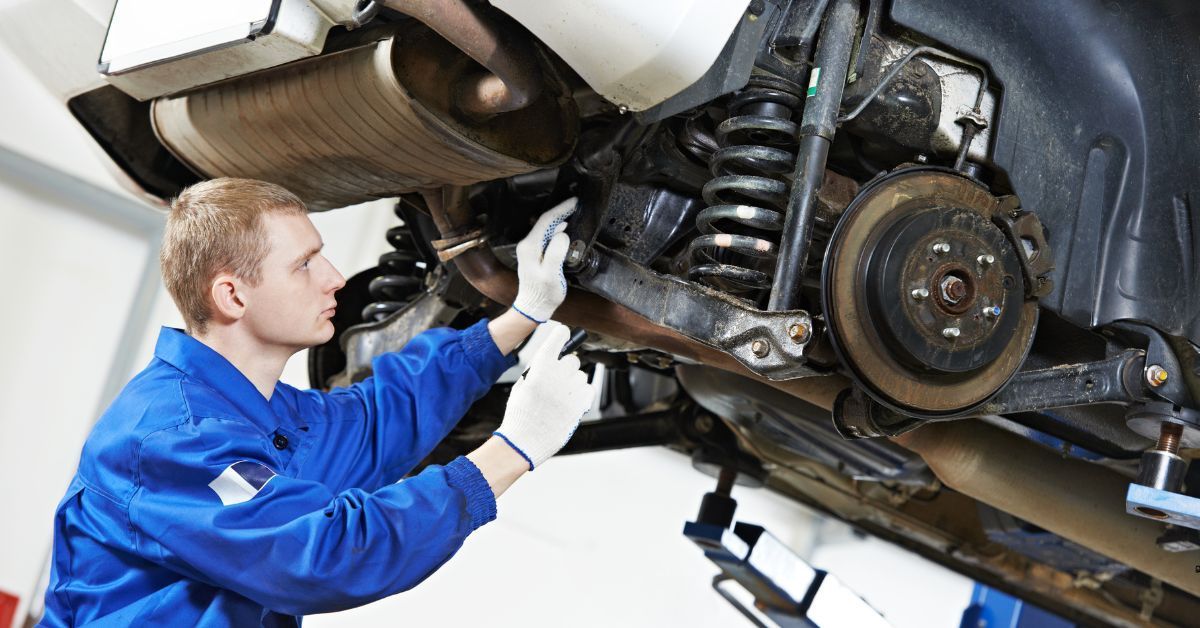
Brake noise does not always mean you need brake pads. A squeal may come from pad wear, glazing, debris, hardware, or other brake components. Grinding can point to more advanced wear, but the source still needs to be confirmed. A proper brake inspection at Dana Meyer Auto Care looks beyond the pads. Technicians inspect components such as rotors, calipers, brake lines, fluid, and other parts of the system before recommending a repair.
That matters because replacing one part without checking the rest of the system can leave the original problem unresolved. Before winter, this kind of inspection is especially useful if you have noticed changes in stopping feel or have not had the brakes checked recently.
Watch for Brake Warning Signs
Your vehicle will often give you clues before brake performance becomes seriously affected. A squealing or grinding sound is one of the most obvious. You may also feel vibration through the steering wheel or brake pedal while slowing down. A brake pedal that suddenly feels softer, lower, or different from normal deserves attention. Pulling to one side during braking can also indicate a problem that needs inspection.
Dashboard brake or ABS warning lights should not be ignored either. These symptoms can have several causes. Worn pads, uneven rotors, a sticking caliper, brake fluid problems, or hydraulic issues can produce overlapping symptoms. That is why guessing from one noise or pedal sensation is not enough.
Wet Roads Make Brake Condition More Important
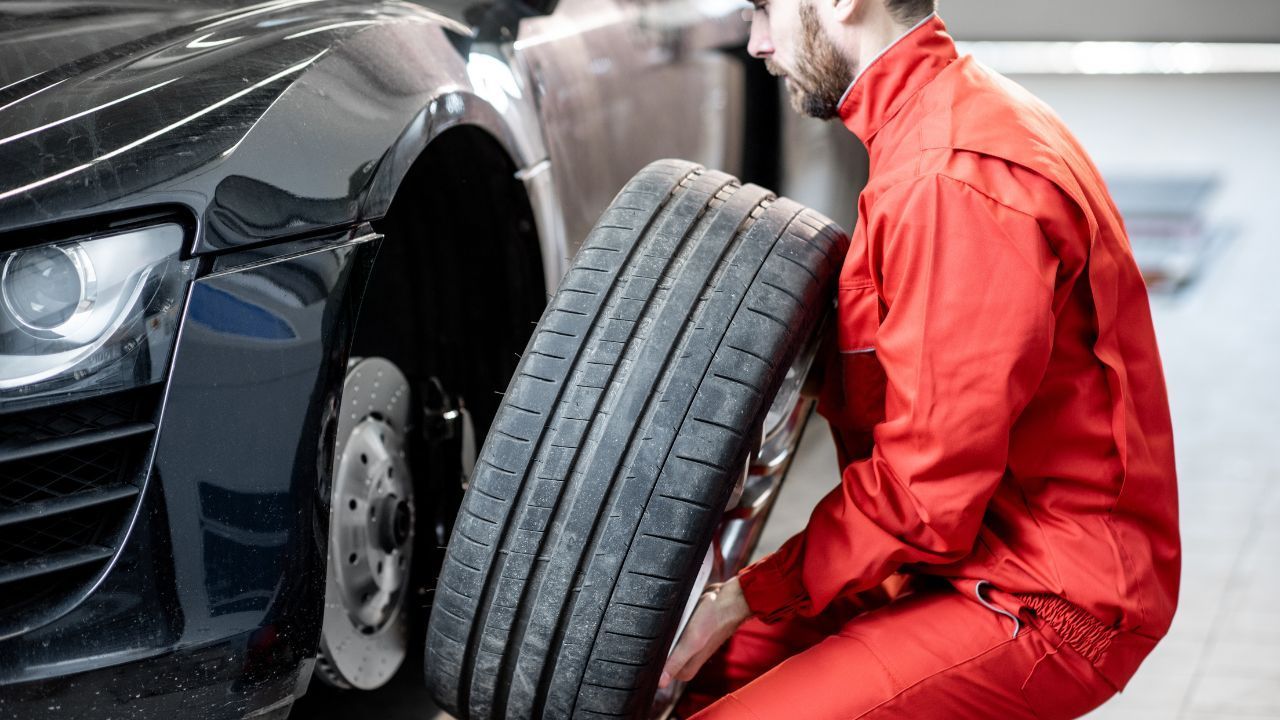
Bay Area winters often bring rain rather than severe cold, and that changes how much traction is available between your tires and the road. Your brakes still provide the stopping force, but the tires have to transfer that force to the pavement. When roads are wet, worn tires and brake problems can become a more noticeable combination.
Good winter preparation therefore means looking at the complete picture. If your brakes feel different, your tires are worn, or the vehicle pulls or vibrates while stopping, it makes sense to have those issues checked before the wetter part of the season. Dana Meyer Auto Care has served East Bay drivers since 1975, and its approach is to prioritize repairs according to actual condition instead of treating every recommendation as equally urgent.
Do Not Forget the Cooling System
Drivers sometimes associate cooling-system problems only with hot summer weather. The reality is that your engine still produces significant heat every time it runs, even on a cold morning. Your radiator, water pump, thermostat, coolant, hoses, fans, and related components work together to control temperature. If one part stops doing its job, the engine can still overheat in winter.
A professional cooling system service can include checking the radiator and hoses, evaluating the coolant, inspecting for leaks, and pressure-testing the system when needed. That testing helps answer an important question: Is the system actually healthy, or does it simply look fine from the outside?
Check Coolant Condition, Not Just the Level
Seeing coolant in the reservoir does not automatically mean the cooling system is ready for winter. Coolant condition matters too. Over time, coolant can become contaminated or lose some of the protective properties the engine needs. The correct coolant type also matters because modern vehicles are designed around specific formulations.
Safety reminder: Never open the radiator cap, coolant reservoir cap, or any other cooling system cap while the engine is hot. The system may be under pressure, and hot coolant or steam can cause serious burns. Allow the engine to cool completely before checking the cooling system.
Mixing random coolant types or topping the system off repeatedly without finding out why the level is dropping can create more problems. If the coolant is low, the first question should be why. A small leak may come from a hose, radiator, water pump, reservoir, connection, or another part of the system. Pressure testing can help locate leaks that may not leave a large puddle under the vehicle.
Know the Cooling System Warning Signs
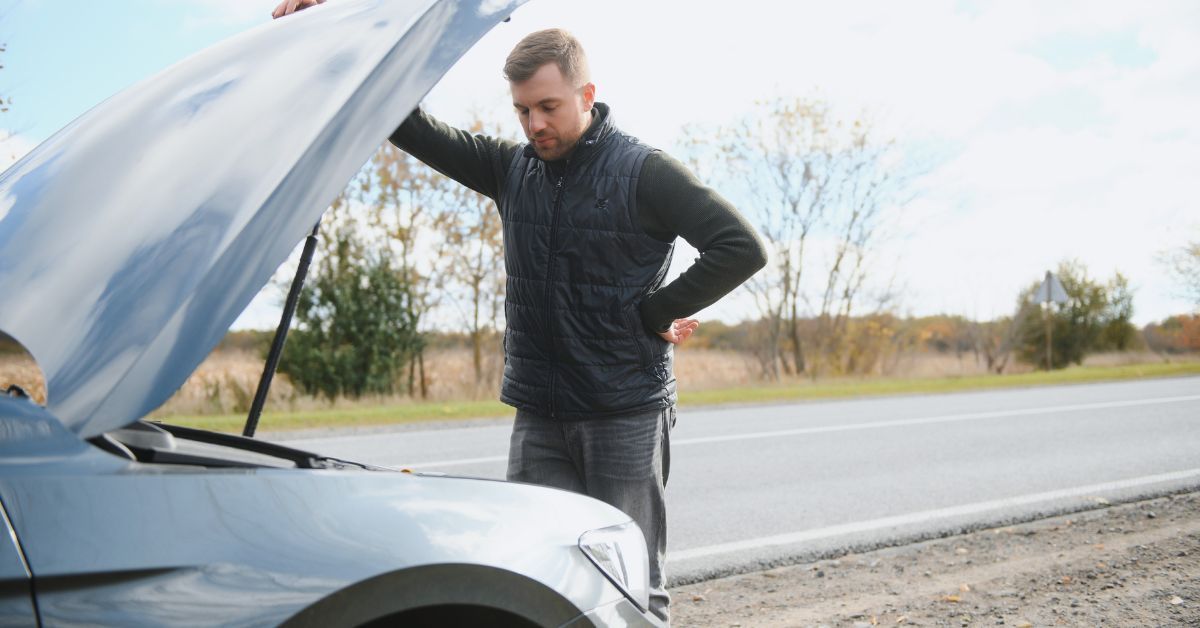
A rising or fluctuating temperature gauge deserves attention. So does a coolant warning light, visible fluid beneath the vehicle, or a sweet smell around the engine compartment. You may also notice the coolant level dropping between services, steam coming from under the hood, or the heater behaving differently than usual.
None of those symptoms tells you exactly which component has failed. For example, overheating could involve low coolant, a thermostat, cooling fan, water pump, radiator restriction, or another problem. This is where diagnosis saves money. Testing the system first helps prevent replacing parts simply because they are common failure points.
What Happens If Brake Problems Are Ignored?
Brake wear usually does not improve on its own. If worn pads are left in service too long, other brake components may eventually be affected. A rotor that could have remained usable may become damaged. A sticking caliper can create uneven wear and excess heat. More importantly, braking performance may become less predictable.
That matters on any road, but especially during rain, heavy traffic, or downhill driving where controlled stopping is essential. If you hear grinding, notice a major change in pedal feel, or see a brake warning light, do not wait for a seasonal maintenance appointment. Have the vehicle inspected promptly.
What Happens If Cooling Problems Are Ignored?
Cooling-system problems can progress quickly. A small leak may slowly lower the coolant level until the system can no longer regulate engine temperature correctly. An aging hose may hold pressure during normal driving and then fail during a longer trip.
Overheating can lead to expensive engine damage if the vehicle continues to be driven while too hot. Preventive testing helps catch these problems when they are still manageable. That does not mean every hose, thermostat, or radiator needs replacement before winter. It means the condition of the system should guide the recommendation.
Service Before Holiday or Mountain Travel
If you are planning a winter road trip, schedule your inspection before the day you leave. Bay Area driving may be mild, but a trip toward Lake Tahoe, the Sierra Nevada, or another colder region places the vehicle in very different conditions. You may encounter lower temperatures, steep grades, wet roads, snow, and heavier brake use on descents.
This is a good time to combine brake and cooling system service with other factory-scheduled maintenance that may already be due. Checking the vehicle ahead of time also gives you room to make an informed repair decision instead of discovering an issue the afternoon before a trip.
When Should You Schedule Winter Service?
There is no single calendar date that works for every driver. The better approach is to consider your vehicle's condition, mileage, service history, driving habits, and upcoming travel. If you already notice brake noise, unusual pedal feel, coolant loss, temperature changes, or leaks, schedule service now rather than waiting for colder weather.
If the vehicle feels normal but has not been inspected recently, fall is a practical time for preventive checks before winter rain and holiday travel. Dana Meyer Auto Care provides comprehensive auto repair and maintenance in Albany for drivers throughout Berkeley, Richmond, Oakland, Hercules, and surrounding East Bay communities. With ASE-certified technicians and a history in the community dating back to 1975, the focus remains on identifying what the vehicle actually needs and explaining those findings clearly.
Frequently Asked Questions
Should I have my brakes checked before winter in California?
Yes, especially if you hear brake noise, notice vibration, experience a change in pedal feel, or have not had the brakes inspected recently. Wet winter roads can make reliable braking and tire traction especially important.
Does my cooling system matter during a California winter?
Yes. Your engine produces heat regardless of outside temperature. The cooling system must still regulate engine temperature, circulate coolant, and provide proper protection throughout the year.
How do I know if my coolant needs service?
Coolant that is low, contaminated, discolored, or past the vehicle manufacturer's recommended service interval may need attention. The system should also be checked for leaks before simply adding more coolant.
What brake symptoms should I have checked right away?
Grinding, a very soft or low brake pedal, significant pulling during braking, a brake warning light, or a sudden change in stopping performance should be inspected promptly.
Can I wait until winter to fix a small coolant leak?
It is better to have the leak diagnosed when you first notice it. Small leaks can worsen, lower the coolant level, and eventually contribute to overheating or roadside trouble.
Should I get my car inspected before a winter road trip?
Yes, particularly before long-distance or mountain travel. Checking brakes, coolant, tires, battery condition, fluids, and other maintenance items ahead of time can help identify problems before you leave. It is best to get your car inspected at least a week before your trip to ensure enough time to address any issues that are found.
Get Your Car Ready Before Winter Roads Put It to the Test
Do not wait for the first rainy commute, brake warning, or rising temperature gauge to find out whether your car is ready. Dana Meyer Auto Care can inspect your brakes and cooling system, explain what we find, and prioritize any service based on your vehicle’s actual condition. Whether you are staying around Albany and the East Bay or preparing for a colder winter road trip, our ASE-certified technicians can help you take care of the important items before they interrupt your plans.