Getting Your Car Ready for Albany's Fall Season

Kobi Meyer • September 1, 2025

As the Bay Area transitions from summer's heat to autumn's cooler temperatures, smart drivers in Albany start preparing their vehicles for seasonal changes. While Northern California doesn't experience harsh winters, fall brings its own driving challenges that require attention. From the first October rains to holiday travel plans, getting your car ready now prevents problems later.

Why Fall Vehicle Prep Matters in Northern California

Fall weather in the Bay Area creates unique driving conditions. Morning fog rolls in from San Francisco Bay, afternoon temperatures can still reach the 80s, and the rainy season typically begins in October. These changes stress your vehicle's systems after months of summer heat exposure.

Your car has worked hard through another California summer. Stop-and-go traffic on Highway 580, hot asphalt around San Pablo Avenue, and daily commutes to Berkeley or Oakland have tested every component. Fall preparation ensures your vehicle handles seasonal transitions smoothly.

Check Your Cooling System Before It's Too Late

Even though temperatures drop in fall, your cooling system needs attention. Summer heat may have caused small leaks or weakened hoses that could fail when you least expect it.

Inspect these cooling system components:

  • Radiator hoses for cracks or soft spots
  • Coolant levels and color
  • Radiator fins for debris buildup
  • Thermostat operation
  • Water pump performance

Fall is the perfect time to flush your cooling system if it's due for service. This removes summer's accumulated debris and ensures proper heat transfer during temperature fluctuations.

Prepare for Bay Area Rain Season

California's dry summer roads can become treacherous when October rains begin. Oil residue, accumulated dust, and worn tire treads create dangerous conditions during the first few storms.

Tire Inspection: Check tread depth using the penny test. Insert a penny into the tread groove with Lincoln's head down. If you can see the top of his head, your tires need replacement before wet weather arrives.

Wiper Blade Replacement: Summer heat hardens rubber wiper blades. Replace them before you need them during that first surprise downpour on Interstate 80.

Brake System Check: Wet roads demand reliable braking. Have your brake pads, rotors, and brake fluid inspected to ensure optimal stopping power.

Battery Performance in Changing Temperatures

Temperature fluctuations stress car batteries. While extreme cold isn't common in Albany, the combination of hot summer damage and cooler fall mornings can reveal battery weakness.

Signs your battery needs attention:

  • Slow engine cranking
  • Dim headlights
  • Dashboard warning lights
  • Corrosion around terminals
  • Battery age over three years

Test your battery's capacity before fall weather arrives. A battery that struggles in mild conditions will likely fail during the first cold snap.

Lighting System Preparation

Shorter fall days mean more driving in low-light conditions. Morning fog and early evening darkness around the Bay Area require properly functioning lights.

Check all lighting systems:

  • Headlights (both high and low beam)
  • Taillights and brake lights
  • Turn signals and hazard lights
  • Interior dashboard lighting
  • License plate lights

Clean headlight lenses if they appear cloudy or yellowed. Oxidation reduces light output by up to 40%, making nighttime driving dangerous.

Heating System Readiness

While Albany doesn't face freezing temperatures, cool fall mornings and evenings make heating systems important for comfort and windshield defrosting.

Test your heating system now:

  • Turn on heat and check air temperature
  • Verify proper airflow from all vents
  • Listen for unusual noises from the blower motor
  • Check cabin air filter condition

A clogged cabin air filter reduces heating efficiency and allows allergens into your vehicle during fall allergy season.

Windshield and Glass Maintenance

Fall brings increased moisture, dust, and debris that can damage windshields. Small chips and cracks grow larger with temperature changes and increased wiper use.

Address windshield issues promptly:

  • Repair small chips before they spread
  • Replace worn wiper blades
  • Clean both interior and exterior glass surfaces
  • Check defrosting system operation

California law requires clear visibility through your windshield. Don't wait until emergency situations to discover vision problems.

Emergency Kit Updates

Fall weather can create unexpected situations requiring emergency supplies. Update your car's emergency kit with seasonal items:

  • Blanket or warm clothing
  • Flashlight with fresh batteries
  • First aid supplies
  • Emergency contact information
  • Basic tools and jumper cables
  • Cell phone car charger

Store emergency supplies in your trunk where they won't interfere with daily driving but remain accessible when needed.

Fluid Level Maintenance

Fall preparation includes checking all vehicle fluids that work harder during temperature changes:

Oil: Fresh oil protects engines during temperature fluctuations better than summer-stressed oil.

Transmission Fluid: Proper levels ensure smooth shifting as weather changes.

Brake Fluid: Critical for safe stopping on wet roads.

Power Steering Fluid: Maintains easy steering control in all conditions.

Windshield Washer Fluid: Essential for maintaining clear vision during dusty fall conditions.

Professional Fall Inspection Benefits

While you can check basic items yourself, professional inspection catches problems you might miss. Trained technicians identify developing issues before they become expensive repairs.

Comprehensive fall inspection includes:

  • Multi-point safety check
  • Computer diagnostic scan
  • Fluid analysis and replacement
  • Belt and hose inspection
  • Suspension and steering evaluation

Professional service ensures your vehicle receives the attention it needs for safe fall driving.

Plan for Holiday Travel

Fall brings holiday travel season. Thanksgiving trips to family, weekend getaways to wine country, and winter vacation planning put extra demands on your vehicle.

Prepare for increased driving:

  • Schedule maintenance before peak travel times
  • Verify tire condition for highway driving
  • Check spare tire and emergency equipment
  • Plan routes and identify service stations

Don't let vehicle problems ruin holiday plans. Preparation prevents roadside emergencies during busy travel periods.

Stay Ahead of Weather Changes

Bay Area weather can change quickly during fall transition periods. Morning fog can give way to afternoon heat, followed by evening cooling. Your vehicle needs to handle these variations reliably.

Regular maintenance during fall preparation ensures your car adapts to changing conditions without leaving you stranded on Highway 24 or stuck in downtown Berkeley traffic.

Ready for Albany's Fall Weather?

Don't let seasonal changes catch your vehicle unprepared. Dana Meyer Auto Care provides comprehensive fall preparation services to keep you safe and comfortable during Bay Area's changing weather.

Our ASE-certified technicians have been helping Albany drivers prepare for seasonal transitions since 1975. From cooling system service to brake inspections, we ensure your vehicle handles whatever fall weather brings.

Located at 660 San Pablo Ave in Albany, we're convenient to Berkeley, Richmond, and Oakland. Call us at (510) 292-4900 or book your fall preparation service online. Start the season with confidence in your vehicle's reliability.
By Dana Meyer Auto Care February 2, 2026
Expert engine diagnostics at Dana Meyer Auto Care in Albany, CA. Ensure top performance with our state-of-the-art services. Schedule an online appointment now.
By Kobi Meyer January 31, 2026
Brakes are your vehicle's most important safety system—yet they're also one of the most misunderstood. At Dana Meyer Auto Care, we see it all the time: drivers putting off brake service because of myths they've heard from friends, forums, or outdated advice. If you're driving around the Bay Area—from Albany to Berkeley, Oakland to El Cerrito—you need your brakes in top shape. Let’s bust the most common brake repair myths, clear up the confusion, and explain how to keep your car safe and responsive on every drive. Myth #1: "If My Brakes Aren't Making Noise, They're Fine" Silence doesn’t always mean safety. Many drivers think brake noise is the only sign of trouble, but that’s not true. Modern brake pads can wear down quietly. Some vehicles even have built-in wear indicators that only make noise when it’s already past time to replace them. Instead of waiting for a screech, follow a regular maintenance schedule and get your brakes inspected during oil changes or tire rotations. Pain Point: Ignoring brake wear can lead to rotor damage—a more expensive fix than replacing pads early. That can also mean longer stopping distances or unpredictable brake performance, putting you and others at risk. Myth #2: "Brake Repair Is Always Expensive" This myth causes drivers to delay service, thinking it’ll cost too much. The truth? Preventive brake maintenance is often affordable—and it protects more expensive parts. Catching worn brake pads early can save you hundreds by preventing rotor, caliper, or hydraulic system damage. At Dana Meyer Auto Care, we prioritize transparency, with honest quotes and no surprise add-ons. Pro Tip: Ask for a brake inspection during your next visit, where we’ll check your brake pad thickness and inform you when they should be replaced. Investing in small fixes now avoids big repairs later. Myth #3: "Brake Pads Last 50,000 Miles No Matter What" While some brake pads can last 50,000 miles, that’s far from universal. Your brake pad lifespan depends on: Driving habits (hard braking wears faster) Terrain (hills and stop-and-go traffic wear pads quickly) Type of brake pads (ceramic, semi-metallic, organic) In the San Francisco Bay Area, where hills and traffic are common, pads may need replacement as early as 25,000 miles. A regular brake inspection can catch wear before it becomes dangerous. Plus, not all pads wear evenly—front brakes typically wear faster than rear ones. That’s another reason to stay consistent with checks. Myth #4: "I Can Check My Brakes Just by Looking" Unless you’re lifting your car, removing the wheels, and inspecting the full braking system, a visual check isn’t enough. Even when you take a close look at your brakes, you can only see the outer pad. The inner pad commonly wears faster, which you cannot see easily without removing the wheels. A professional brake repair technician checks: Pad thickness Rotor condition Brake fluid levels and quality Caliper function Brake line integrity These systems work together, and issues often develop where you can’t see. Don’t DIY your safety. Extra Insight: What looks like thick brake pads from the outside might be uneven or cracked once removed. That’s why experienced techs matter. Myth #5: "I Just Got My Brakes Done, So I Don’t Need to Worry." We wish that were true! Brake systems wear unevenly. You may have had the front pads replaced, but the rear pads are still aging. Or maybe the rotors were resurfaced but not replaced—leaving less life left than you expect. For those of us who like to get into the details about rotors, rotor life in between brake jobs is not a big factor. Resurfacing rotors is done based on measurements. If the rotor life would be affected, it would already be past the service limit and would need to be replaced, regardless. If the rotors are bad, we consider it a sign of careless work. Hence, just because you got your brakes done, an inexperienced technician could have missed important steps if they aren’t working off a checklist. Also, brake fluid can deteriorate over time and cause poor braking performance even if your pads are fresh. Moisture can contaminate brake fluid and cause internal corrosion or spongy pedals. Recommendation: Get a full system check annually, not just when something goes wrong. Myth #6: "If My Car Pulls to One Side, It's an Alignment Problem" Not always. Pulling can also mean a brake caliper is sticking or uneven pressure is being applied to your wheels. Misdiagnosing the problem could cost you time and money. Let us perform a proper diagnostic so you're not replacing tires or adjusting alignment for a brake issue. We’ve seen cases where the true problem was a swollen brake hose or a dragging caliper. Learn more about our brake services and schedule an inspection today. Myth #7: "I Don’t Need Brake Service Until the Light Comes On" Many cars have a brake warning light, but by the time it comes on, the problem could already be severe. Brake lights often indicate low brake fluid, a system failure, or dangerously worn pads. Think of it as a last alert, not your first warning. Pro Tip: Don’t rely on dashboard lights. Stay ahead of issues with routine checks. When the light comes on, your margin of safety might already be gone. Myth #8: "All Brake Shops Are the Same" Definitely not. A brake job isn’t just about swapping parts. It requires: High-quality components Correct installation Rotor resurfacing or replacement Proper lubrication and torque Some newer cars even require scan tools to place the vehicle in “service mode” to actuate fluid bleeding valves and calibrate the system after work is complete. At Dana Meyer Auto Care, our ASE-certified technicians use top-tier parts and treat your car like it's our own. We’re also an eco-friendly business, so we do our best to protect the environment and dispose of used fluids responsibly. See why drivers trust us with their brake repairs in Albany and beyond. Extra Trust Point: We've been family-run for over 50 years and are proud to serve generations of East Bay drivers. Our customers return because they trust our work and our values. FAQs: Brake Repair & Service in the Bay Area Q: How often should I have my brakes checked? A: Every 6 months or 6,000 miles is a good rule of thumb—or at least once a year if you don’t drive much. During these checks, we can monitor wear, fluid condition, and ensure all components are functioning properly. Q: Are squeaky brakes always bad? A: Not always. Some brake pads make noise when cold or wet, but persistent squealing can indicate wear or low-quality parts. Let us take a look. Q: How long do brakes last in Bay Area traffic? A: Due to stop-and-go conditions and hills, you may see faster wear. 25,000–40,000 miles is common for city drivers. Q: Can I drive with a soft brake pedal? A: No! This could mean a fluid leak or a failing brake master cylinder. Get it checked immediately to avoid brake failure. Q: What’s included in a Dana Meyer Auto Care brake inspection? A: We check pad and rotor condition, caliper movement, fluid quality, and more. You'll get a full report with honest, clear advice. Keep Your Brakes—and Your Family—Safe Your brakes are too important to leave to myths or guesses. If you’re noticing signs of wear or just want peace of mind, don’t wait. At Dana Meyer Auto Care in Albany, CA, we make it easy to stay safe. We offer full-service brake repair, transparent pricing, and expert inspections. 👉 Schedule your brake check today or call us at (510) 292-4900. We’re proud to be your neighborhood auto shop, serving Albany, Berkeley, El Cerrito, and the entire East Bay with care, quality, and honesty. Let us help you bust the myths—and keep your car ready for every Bay Area road.
By Dana Meyer Auto Care January 29, 2026
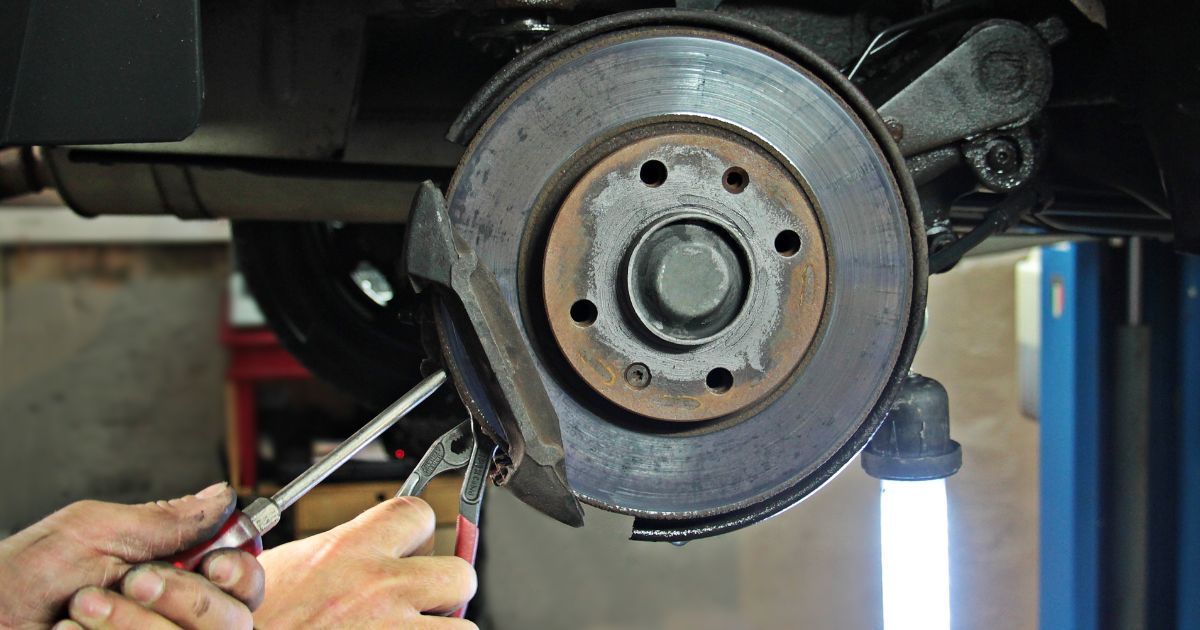
Discover expert brake repair at Dana Meyer Auto Care in Albany, CA. Trust us for reliable services. Schedule an online appointment now!
By Kobi Meyer December 31, 2025
Wondering how often you should get an oil change or vehicle inspection in Albany, California? Discover expert insights on oil change intervals, inspection frequency, and maintenance tips to keep your vehicle running safely year-round.
December 17, 2025
Learn essential transmission care tips that help extend its lifespan, improve performance, and prevent costly repairs through proper maintenance and early warning signs.
December 15, 2025
Get your car ready for a Bay Area coastal drive with this quick maintenance guide covering fluids, tires, brakes, and safety checks for worry-free travel.
December 11, 2025
Discover what your check engine light means, common causes behind it, and when Albany drivers should seek professional diagnostics to avoid costly repairs.
December 9, 2025
Learn how to choose the right tires for California’s changing weather and road conditions to improve safety, handling, and overall driving performance year-round.
December 4, 2025
Understand five common car electrical problems, what causes them, and why early diagnosis helps prevent breakdowns, starting issues, and costly repairs.
December 1, 2025
Learn why regular oil changes are essential for Bay Area stop-and-go driving, helping protect your engine, improve efficiency, and prevent premature wear.
More Posts