What’s the Best Time to Travel for Holiday Road Trips in the Bay Area?
Kobi Meyer • November 25, 2025
The holidays are a time to hit the road—whether you're visiting family in Sacramento, heading to wine country, or escaping to Lake Tahoe for a snowy getaway. But if you've ever sat in bumper-to-bumper traffic on I-80 during Thanksgiving weekend, you know the Bay Area isn't the easiest place to navigate during peak travel times.
So, when is the best time to travel for holiday road trips in the Bay Area? We’ve seen it all here at Dana Meyer Auto Care—from cars breaking down just before long drives to families returning with brake wear and battery issues after road trips. Let’s break it down so you can plan smarter, drive safer, and avoid the headaches.
Best Days and Times to Leave
Here’s what we recommend based on local traffic patterns, CHP travel advisories, and our own experience working with East Bay drivers:
- Leave Early in the Morning
The earlier, the better, especially if you’re heading out the day before a holiday. Try to leave before 7 a.m. to get ahead of commuters and long-distance travelers. - Avoid Late Afternoons the Day Before a Holiday
Traffic around 3–7 p.m. on the day before Thanksgiving, Christmas Eve, or New Year’s Eve can be brutal. If you must leave during the day, aim for mid-morning or after 8 p.m. - Travel on the Holiday Itself
It sounds untraditional, but traffic on Thanksgiving morning or Christmas Day is usually much lighter. If you're comfortable celebrating a bit later in the day, this is often the smoothest time to drive.
Best Times to Return to the Bay Area
The return trip is just as important. Most breakdowns we see after the holidays happen when folks are rushing to get back on Sunday evening—often when roads are jammed and stress is high.
- Avoid Sunday Afternoons
If you’re coming back after a weekend or extended trip, try to return early Sunday morning or Monday if you have the flexibility. - Split the Trip if It’s a Long One
If you're driving back from Southern California or over the Sierra, break it up. Spend a night halfway to reduce fatigue and avoid peak hours.
Key Holiday Travel Dates in 2025
- Thanksgiving:
Busiest outbound travel: Wednesday, Nov. 26
Best travel days: Tuesday, Nov. 25, or Thursday morning, Nov. 27 - Christmas:
Busiest outbound travel: Tuesday, Dec. 23, and Wednesday, Dec. 24
Best travel days: Monday, Dec. 22, or Christmas Day itself - New Year’s:
Heaviest return traffic: Sunday, Jan. 5
Best return times: Early Friday, Jan. 3 or Monday, Jan. 6
Prep Your Car Before You Hit the Road
Timing your trip right is important, but so is making sure your car is ready. Every year, we help dozens of drivers get road-trip ready. Here's a quick checklist to help you avoid preventable problems:
- Check Your Tires: Proper inflation and tread depth are key for safety, especially in wet conditions.
- Inspect Brakes: Grinding, squealing, or soft pedals? Get them checked before you travel.
- Test the Battery: Cold mornings and long drives can strain older batteries.
- Top Off Fluids: Coolant, brake fluid, washer fluid, and oil should all be at proper levels.
- Inspect Windshield Wipers: Visibility is everything in winter weather.
We offer quick, comprehensive pre-trip inspections, so you can hit the road with confidence.
Need to Travel with Kids or Pets?
Here’s a bonus tip for families: if you’ve got little ones or furry friends along for the ride, plan your departure around their schedule, too. A mid-morning departure after breakfast or an early evening drive post-nap often leads to a smoother ride and fewer backseat meltdowns.
And yes, we’re a pet-friendly shop, so bring your pup in while we check your ride!
Make This Holiday Season Stress-Free
Smart travel isn’t just about avoiding traffic. It’s about preparation, planning, and peace of mind. Whether you’re driving two hours or two days, we’re here to help make your holiday road trip safer and smoother.
We recommend scheduling your check at least a week before your trip! Last-minute pre-trip checks can delay the trip or force a change of plans.
Book your holiday road trip inspection today:
https://www.danameyerautocare.com/
Discover expert tire care tips at Dana Meyer Auto Care in Albany, CA. From selecting new tires to maintenance advice, we've got you covered. Visit us today!

Your car starts a little slower one morning in Albany. Later, the wipers leave streaks across the windshield, and you notice a headlight looks dim during your drive home. Nothing has stopped working completely, but you wonder whether the car is ready for winter. November is a useful time to check those details before holiday travel and busier schedules make maintenance harder to arrange. A complete November car care checklist should cover the battery, engine oil, coolant, lights, wipers, tires, brakes, and defroster. The goal is to identify what needs attention based on your vehicle’s condition and maintenance history. At Dana Meyer Auto Care, we believe preparation starts with clear answers. A symptom deserves inspection before anyone assumes which part needs replacement. Start With Your Service History Gather your recent repair invoices and check the maintenance schedule in your owner’s manual. Note when the oil, coolant, and other scheduled items were last serviced. Then write down any changes you have noticed. Slow starting, unusual noises, fluid spots, warning lights, and reduced visibility are useful clues. Tell your service advisor when each symptom happens. A starting problem after several days parked may need different testing from one that occurs every morning. This first step helps separate overdue maintenance from problems that require diagnosis. It also prevents repeating a service that was recently completed. Step One: Test the Battery Battery testing belongs near the top of your November car care checklist, especially if starting has become slower or less consistent. A weak 12-volt battery is one possible cause. Loose or corroded connections, a charging-system issue, a starter problem, or an electrical draw can produce similar symptoms. Our battery and hybrid battery service begins by identifying which system is involved. Conventional 12-volt concerns and high-voltage hybrid battery warnings require different testing and repair approaches. Battery age provides context, but testing helps determine condition. Replacing a battery without investigating repeated discharge may leave the original problem unresolved. Step Two: Review the Engine Oil Check whether your vehicle is due for an oil change by mileage, time, or its manufacturer’s maintenance system. Do not switch to a different oil simply because winter is approaching. The correct viscosity and specification depend on your engine’s requirements. For vehicles that allow an owner oil-level check, follow the manual’s procedure. Report recurring low levels, visible leaks, or an unusual increase in oil consumption. Dana Meyer Auto Care’s oil change service uses oil matched to the vehicle and includes a multi-point inspection and digital findings report. That provides an opportunity to review more than the oil alone. An oil-pressure warning is different from a routine service reminder. Stop safely, shut off the engine, and seek guidance if an oil-pressure warning appears. Step Three: Check the Coolant Your cooling system matters throughout the year. It regulates engine temperature, and on many vehicles, it also supplies heat for the cabin. Check the coolant reservoir only when the engine is cool and according to the owner’s manual. Never open a hot cooling-system pressure cap. A low level needs an explanation. Leaking hoses, a radiator problem, or another fault may be responsible. Repeatedly adding coolant does not repair the cause. Our cooling system service includes inspection, leak testing, and coolant evaluation. We check the condition and use the manufacturer-recommended coolant when service is needed. Avoid selecting coolant by color alone. If the temperature warning comes on or the engine overheats, stop safely rather than continuing your trip. Step Four: Inspect the Lights Check headlights, brake lights, turn signals, and other exterior lamps while the vehicle is parked safely. Ask someone to help observe the brake lights. Look for a lamp that does not work, flickering, or a noticeable difference between the two headlights. Cloudy lenses and poor beam aim can also affect usable light. A dim headlight does not always need a bulb. The cause may involve the lens, connections, electrical supply, or lamp assembly. Testing helps identify the appropriate repair. Restoring correct visibility is more useful than installing a brighter bulb without checking whether it suits the vehicle. Step Five: Check Wipers and Washers Test your wipers on a wet windshield. Watch for streaks, skipping, chatter, or areas the blades fail to clear. Inspect the rubber for splitting or deterioration. Dirt on the glass or blades can also affect performance, so cleaning and inspection should come before guessing. Check the washer spray as well. Weak or missing spray may involve low fluid, blocked nozzles, a leaking hose, or a pump concern. Choose washer fluid suitable for your vehicle and expected conditions. If your holiday plans include mountain travel, account for colder temperatures than you normally encounter around Albany. Step Six: Review Tires and Brakes Check tire pressure when the tires are cold, using the vehicle’s recommended pressure on the door placard or in the manual. Have tread condition and uneven wear assessed. A tire that repeatedly loses pressure deserves inspection rather than regular topping off. Mention brake noises, vibration, pulling, or changes in pedal feel. These symptoms can have different causes, and an inspection helps establish what needs attention. Wet-weather preparation should include both visibility and traction. Good wipers cannot compensate for worn tires, and functioning lights do not resolve a braking concern. Step Seven: Test the Defroster Try the front defroster, rear defogger, cabin fan, and heater before you need them during a rainy commute. If the windshield clears slowly, describe what happens. Weak airflow, a restricted cabin filter, heating problems, or air-conditioning faults may contribute. Persistent moisture inside the car can also interfere with visibility. Wet carpeting or an unexplained damp smell deserves investigation. Do not assume poor defrosting is normal for an older vehicle. Checking the cause may reveal a manageable problem that makes everyday driving more comfortable. Turn Findings Into a Plan A November car care checklist is most helpful when it leads to priorities rather than automatic replacements. Ask which findings affect safe operation, which services are overdue, and which items can be monitored. Request an explanation of the testing and the recommended next step. Ignoring recurring symptoms can mean a no-start, worsening leak, poor visibility, or an interrupted trip. Addressing the cause early gives you more opportunity to plan the work. Dana Meyer Auto Care has served Albany and surrounding East Bay communities since 1975, caring for individuals, families, and small fleets across generations. Our technicians combine ongoing training with diagnostic tools to provide clear, practical recommendations. Frequently Asked Questions Does My Car Need Winter Preparation in the Bay Area? Yes, but preparation should match your driving conditions. Battery condition, wet-weather visibility, tires, brakes, and scheduled maintenance remain important even without regular snow. Mountain travel may require additional preparation. Should I Replace My Battery Before Every Winter? No. Battery testing, symptoms, and service history help determine whether replacement is appropriate. A reliable battery does not need replacement simply because the season changes. Do I Need Different Engine Oil for November? Usually, you should continue using the manufacturer-specified oil. Follow the requirements for your exact vehicle rather than choosing a different viscosity based only on cooler weather. Why Does My Coolant Keep Getting Low? A leak or another cooling-system problem may be responsible. Have the cause investigated, especially if you also notice temperature changes or reduced cabin heat. Repeated topping off is not a lasting solution. When Should I Replace My Wiper Blades? Replace them when deterioration or poor clearing performance makes replacement necessary. Check the glass, blade condition, and fit first, since contamination or another fault may also cause streaking. Can I Combine Winter Checks With an Oil Change? Ask when scheduling your visit. Share specific symptoms so the team can plan any additional testing. A maintenance inspection and diagnosis of an intermittent problem may require different work. Prepare for Winter With Clear Answers Make your November maintenance visit a chance to understand your car’s condition before holiday plans fill your calendar. Our team will review your concerns, inspect the relevant systems, and explain what the findings mean. You will have practical recommendations to help you prioritize battery, fluid, lighting, and other maintenance needs. Let Dana Meyer Auto Care help you prepare for the drives ahead with the personal attention your vehicle deserves. Schedule your November car care visit with Dana Meyer Auto Care today, or call (510) 292-4900 to discuss your winter preparation needs.
Discover expert transmission service in Albany at Dana Meyer Auto Care. Ensure smooth rides and reliable performance. Schedule an online appointment now!
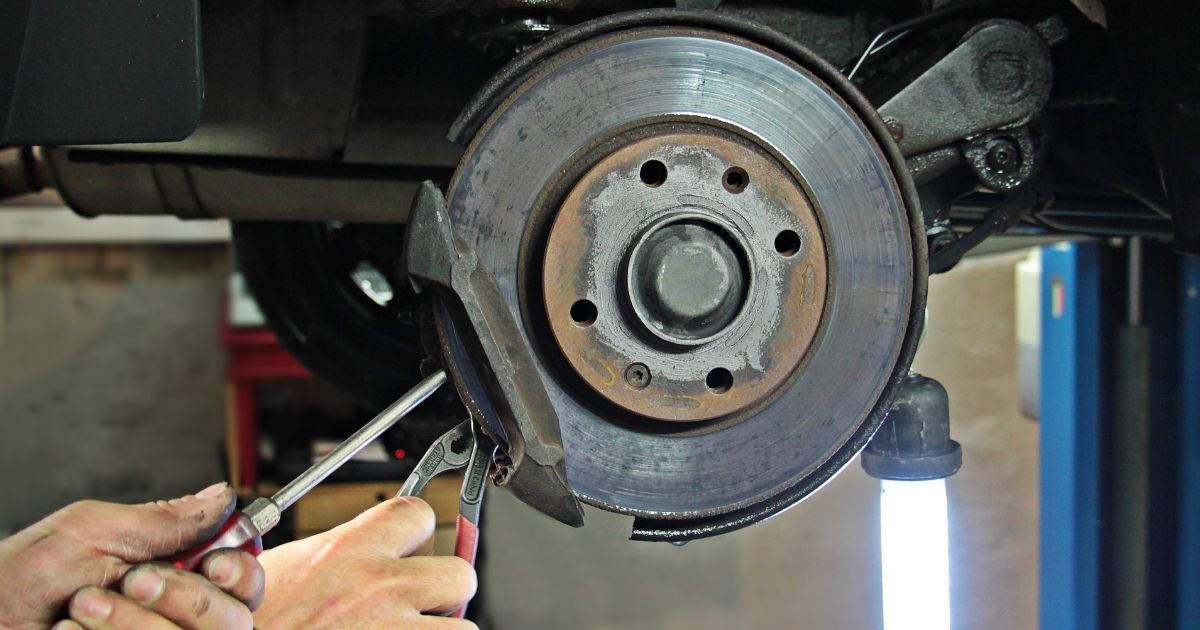
Get ready for California winter driving with brake and cooling system checks. Learn warning signs, testing needs, and when to schedule service in Albany.
Discover expert oil change tips and maintenance advice at Dana Meyer Auto Care in Albany, CA. Optimize your car's performance—schedule an online appointment now!
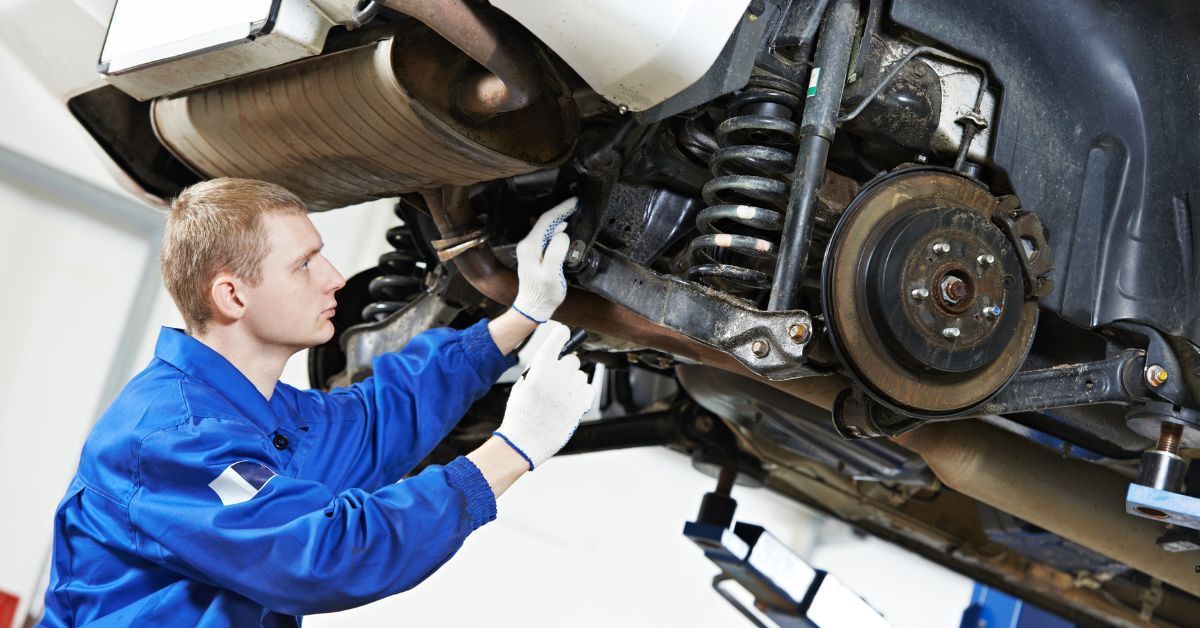
Prepare your vehicle for fall with steering and suspension maintenance tips from Dana Meyer Auto Care in Albany, CA. Learn what to check before wet roads, school traffic, and seasonal driving changes
Discover expert engine diagnostics at Dana Meyer Auto Care in Albany, CA. Our skilled team ensures peak vehicle performance. Visit us today!
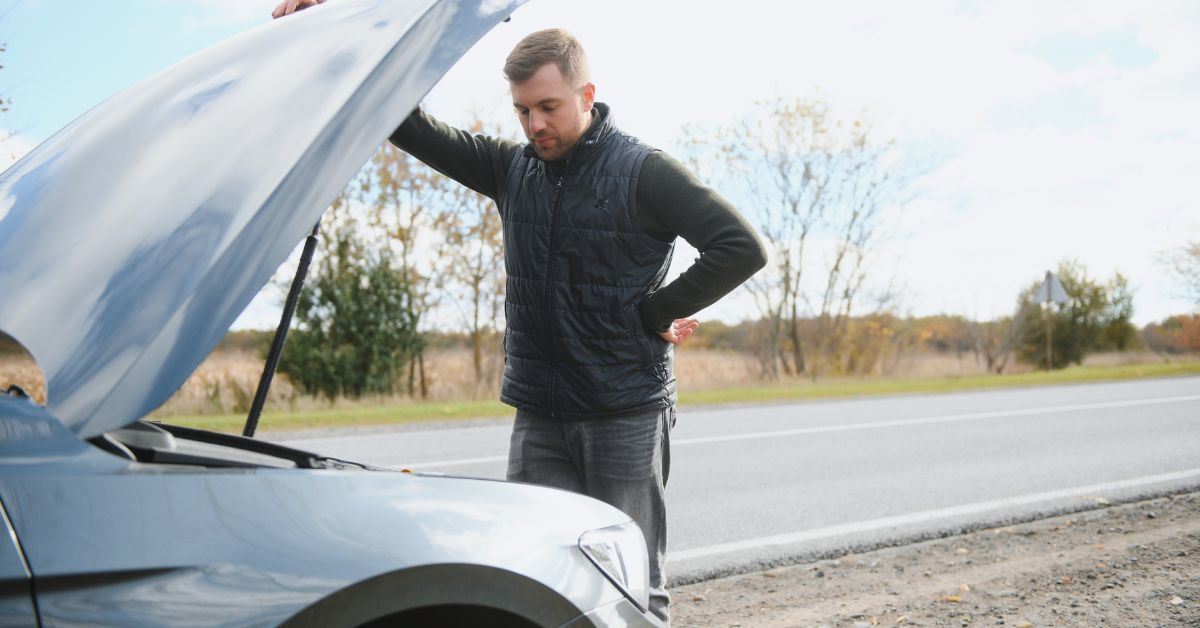
Learn how to avoid automotive electrical system breakdowns in hot weather with summer maintenance tips from Dana Meyer Auto Care in Albany, CA.
Discover expert brake repair at Dana Meyer Auto Care in Albany, CA. Enhance safety with our comprehensive services. Schedule an online appointment now!

Meet the ASE-certified technicians at Dana Meyer Auto Care in Albany, CA. Learn how our experienced team supports honest service, general maintenance, diagnostics, and trusted auto repair for East Bay drivers.