How to Maximize Your Vehicle's Lifespan Through Regular Maintenance in Albany
Your car represents a significant investment, often your second-largest purchase after your home. With proper maintenance, vehicles can easily last 200,000 miles or more, providing years of reliable transportation around Albany, Berkeley, and the greater Bay Area. The key is developing a consistent maintenance routine that addresses both routine service and the unique challenges of California driving.
Bay Area vehicles face specific stressors that affect longevity: stop-and-go traffic, hill driving, temperature extremes, and California's dusty conditions. A well-planned maintenance strategy can help your car thrive despite these challenges, saving you thousands of dollars while ensuring reliable transportation for years to come.
The True Cost of Vehicle Ownership
Before diving into maintenance strategies, it's important to recognize the financial impact of proper care. The average new car costs over $40,000, while a quality used vehicle still represents a substantial investment.
Maintenance vs. replacement costs:
- Annual maintenance: $1,200-2,000
- Major repair (engine/transmission): $3,000-8,000
- Vehicle replacement: $25,000-50,000
California driving factors: Bay Area vehicles often accumulate miles quickly due to long commutes. A car driven 15,000 miles annually needs more frequent service than the national average but can last just as long with proper care.
Regular maintenance is always more affordable than major repairs or early replacement.
Creating Your Maintenance Schedule
Successful vehicle longevity starts with following a comprehensive maintenance schedule tailored to your driving conditions. Albany drivers deal with more severe conditions than many realize.
Why Bay Area driving is considered "severe":
- Frequent short trips (under 10 miles)
- Stop-and-go traffic conditions
- Dusty, dry conditions
- Temperature extremes from season to season
- Hill driving that stresses engines and brakes
Maintenance intervals for severe conditions:
- Oil changes: Every 3,000-5,000 miles
- Air filter: Every 12,000-15,000 miles
- Cabin filter: Every 15,000-20,000 miles
- Transmission service: Every 30,000-60,000 miles
- Coolant flush: Every 30,000-50,000 miles
Engine Oil: Your Car's Lifeblood
Nothing affects vehicle longevity more than regular oil changes. Clean oil lubricates moving parts, removes contaminants, and helps control engine temperature.
Why oil changes matter more in California:
- Hot weather breaks down oil faster
- Dusty conditions introduce more contaminants
- Traffic conditions create more engine stress
- Extended oil change intervals can cause expensive engine damage
Oil change best practices:
- Use oil grade recommended in your owner's manual
- Don't exceed manufacturer's change intervals
- Check oil level monthly between changes
- Watch for oil color changes or unusual consistency
Bay Area consideration: If you frequently drive Highway 580 or I-80 in heavy traffic, consider shorter oil change intervals to protect your engine investment.
Cooling System Maintenance
California's hot summers and demanding driving conditions make cooling system maintenance critical for vehicle longevity. Overheating can destroy an engine in minutes.
Cooling system components to maintain:
- Radiator and coolant
- Water pump
- Thermostat
- Hoses and connections
- Cooling fans
Service recommendations:
- Check coolant level monthly
- Flush cooling system every 30,000-50,000 miles
- Replace worn hoses before they fail
- Test thermostat operation annually
Local importance: Summer temperatures in Albany can exceed 90°F. Combined with traffic heat, your cooling system works overtime to protect your engine.
Transmission Care for Long Vehicle Life
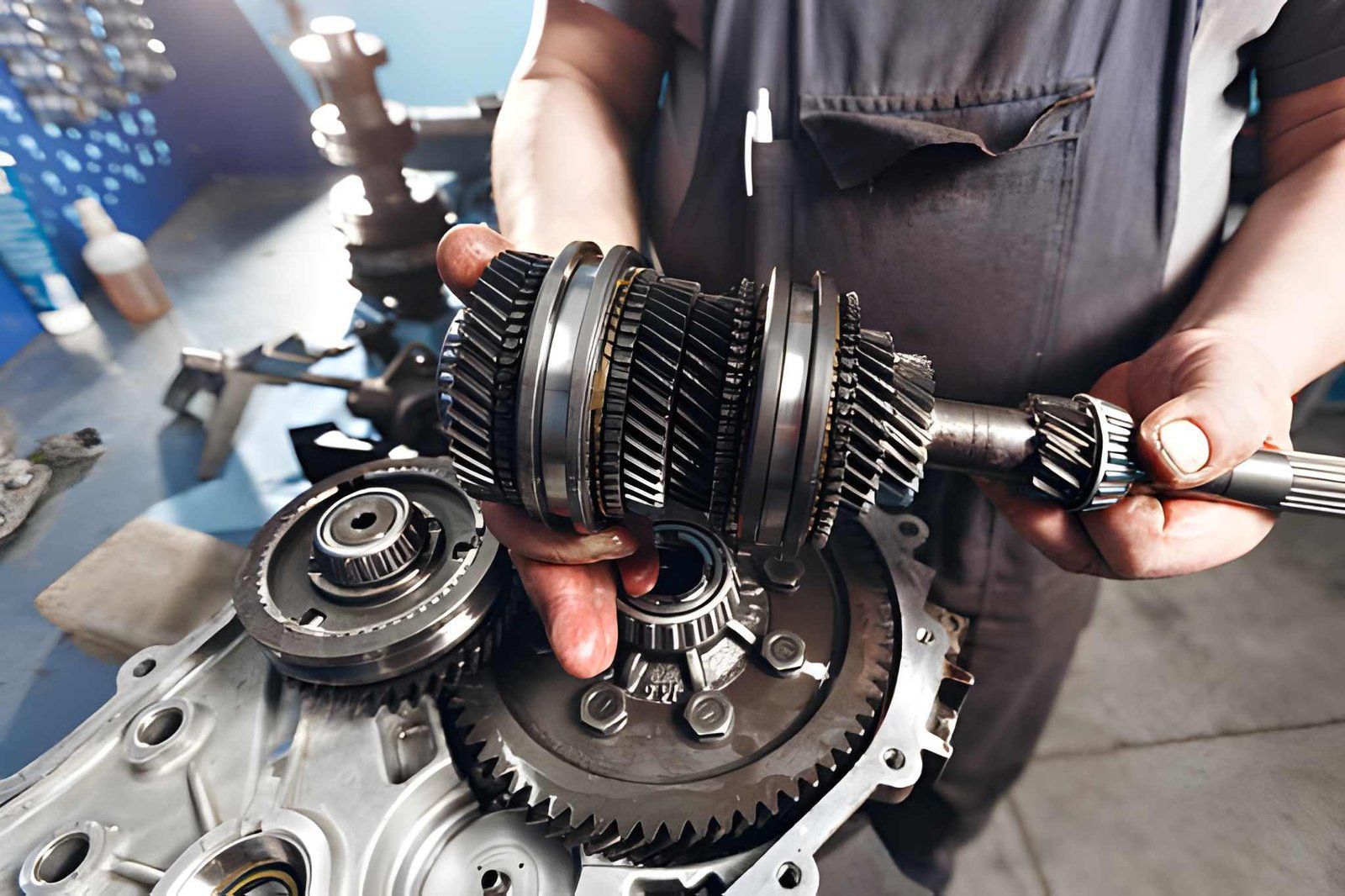
Your transmission is one of your car's most expensive components. Proper maintenance can help it last the life of your vehicle, while neglect often leads to costly replacement.
Transmission maintenance essentials:
- Regular fluid changes based on driving conditions
- Filter replacement when applicable
- Prompt attention to shifting problems
- Avoiding transmission overheating
Bay Area driving impact: Stop-and-go traffic from Albany to San Francisco puts tremendous stress on automatic transmissions. Regular service is essential for longevity.
Warning signs to address immediately:
- Delayed shifting or slipping
- Unusual noises during gear changes
- Burnt smell from transmission fluid
- Leaks under the vehicle
Brake System Longevity
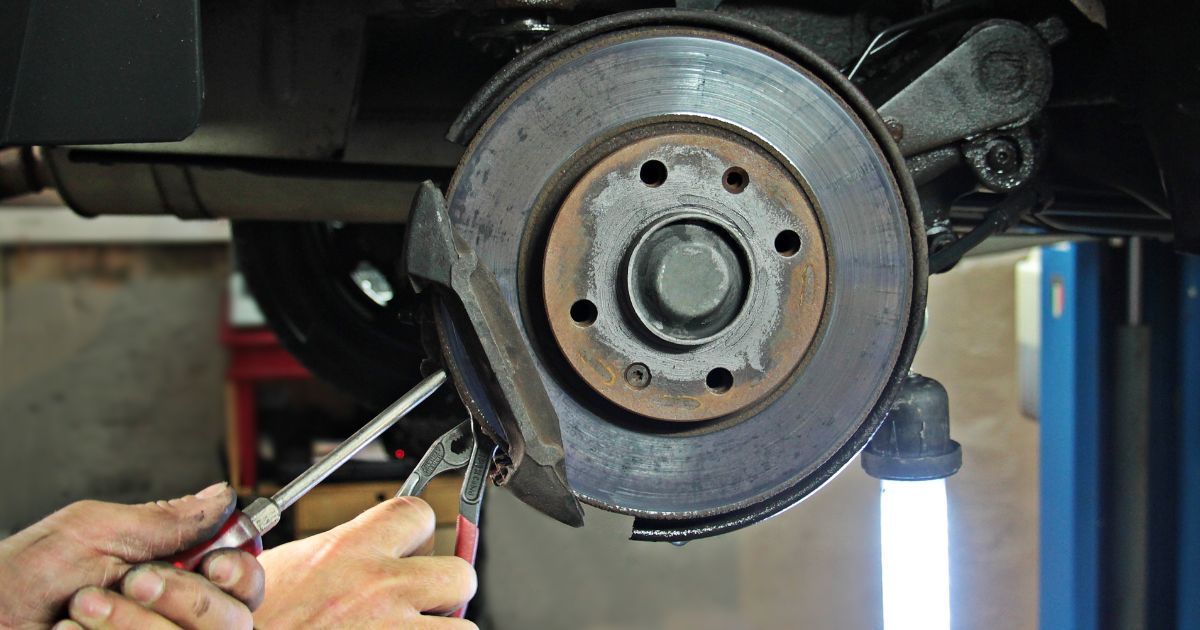
Brake components wear faster in hilly terrain and heavy traffic conditions common around Albany and Berkeley. Regular brake maintenance ensures safety while maximizing component life.
Brake maintenance for longevity:
- Regular brake inspections
- Brake fluid replacement every two years
- Prompt pad replacement before damage occurs
- Rotor resurfacing when appropriate
Driving tips for brake longevity:
- Avoid riding the brakes on hills
- Use engine braking when possible
- Allow plenty of following distance
- Address brake problems immediately
Tire Care for Maximum Mileage
Proper tire maintenance significantly affects vehicle longevity by ensuring even wear, maintaining fuel efficiency, and preventing suspension damage.
Tire maintenance routine:
- Check pressure monthly
- Rotate tires every 5,000-7,500 miles
- Maintain proper wheel alignment
- Replace tires before they become unsafe
California considerations: UV exposure and temperature changes affect tire life. Regular rotation and proper pressure maintenance become even more important in our climate.
Air Filtration Systems
Clean air filters protect your engine and improve fuel efficiency, both important for vehicle longevity. California's dusty conditions make filter maintenance particularly important.
Two filters to maintain:
- Engine air filter: Protects engine from contaminants
- Cabin air filter: Keeps dust and pollutants out of the passenger compartment
Replacement schedule for Bay Area vehicles:
- Engine air filter: Every 12,000-15,000 miles
- Cabin air filter: Every 15,000-20,000 miles
- More frequent replacement during wildfire season
Electrical System Maintenance
Modern vehicles depend on complex electrical systems. Proper maintenance prevents expensive electronic component failures.
Key electrical maintenance:
- Battery testing and replacement
- Alternator inspection
- Starter system checks
- Wiring inspection for corrosion or damage
California climate effects: Heat accelerates battery failure, while temperature swings stress electrical connections. Regular testing prevents unexpected failures.
Preventive vs. Reactive Maintenance
The difference between vehicles that last 200,000+ miles and those that fail early often comes down to maintenance philosophy.
Preventive maintenance approach:
- Follow scheduled service intervals
- Address small problems before they become big ones
- Use quality parts and fluids
- Work with experienced technicians
Reactive maintenance mistakes:
- Waiting for obvious problems to appear
- Ignoring warning signs
- Deferring maintenance to save money
- Using substandard parts or service
The Role of Professional Service
While some maintenance tasks can be done at home, professional service ensures comprehensive care that maximizes vehicle longevity.
Professional advantages:
- Comprehensive inspections catch developing problems
- Access to specialized tools and diagnostic equipment
- Experience with common failure patterns
- Warranty protection on parts and labor
What professionals can detect:
- Early signs of component wear
- Fluid contamination issues
- Electrical system problems
- Safety concerns requiring immediate attention
Maintenance Records: Protecting Your Investment
Detailed maintenance records prove your vehicle has been properly cared for, protecting resale value and helping technicians diagnose problems.
Record keeping benefits:
- Higher resale value
- Warranty claim support
- Better diagnostic information for technicians
- Evidence of proper care for insurance purposes
Cost-Effective Maintenance Strategies
Regular maintenance doesn't have to break your budget. Smart planning and preventive care actually save money over time.
Money-saving maintenance tips:
- Bundle services to reduce labor costs
- Address problems early before they cause additional damage
- Use quality parts that last longer
- Develop a relationship with a trusted service provider
Long-term financial benefits:
- Avoid expensive emergency repairs
- Maintain better fuel efficiency
- Extend vehicle life beyond loan payments
- Preserve resale value
Special Considerations for Bay Area Vehicles
Albany and surrounding Bay Area communities present unique challenges that affect maintenance needs:
Traffic-related wear: Heavy commuting accelerates brake wear and transmission stress.
Climate effects: Temperature swings and UV exposure affect rubber components and fluids.
Air quality: Dust and pollutants require more frequent filter changes.
Elevation changes: Hill driving stresses engines, transmissions, and brakes more than flat terrain driving.
Making Maintenance a Priority
Vehicle longevity requires treating maintenance as an investment rather than an expense. Regular care prevents major problems and ensures reliable transportation for years.
Signs of a well-maintained vehicle:
- Consistent performance across all systems
- No unusual noises, smells, or vibrations
- Good fuel efficiency maintained over time
- Clean fluids and properly functioning components
Ready to maximize your vehicle's lifespan with proper maintenance? Dana Meyer Auto Care has served Albany, Berkeley, Richmond, and surrounding Bay Area communities since 1975. Our ASE-certified technicians know exactly how local driving conditions affect vehicle longevity and can develop a maintenance plan tailored to your specific needs.
We provide comprehensive maintenance services designed to keep your vehicle running reliably for 200,000 miles and beyond. From routine oil changes to complex system diagnostics, our experienced team uses quality parts and proven procedures to protect your automotive investment.
Call (510) 292-4900 or visit us at 660 San Pablo Ave in Albany to develop your vehicle longevity maintenance plan today. Invest in proper care now and enjoy years of reliable transportation with our expert service and 2-year/24,000-mile warranty.